
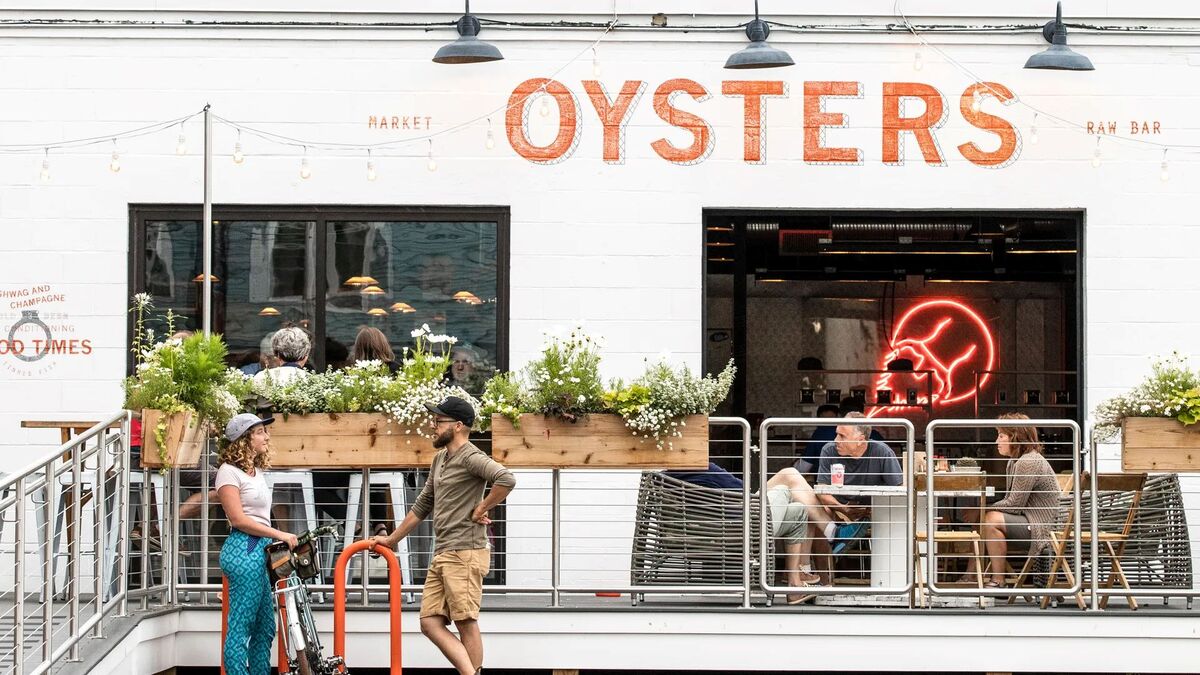
Portland, Maine's celebrated dining scene is operating under pressure these days. At least 15 Portland restaurants closed during 2025, while more than 60 restaurant closures were recorded across Maine that year. The strain has continued into 2026, with Portland establishments announcing shutdowns, including Noble Pizzeria & Barbecue and the 34-year-old Fresh Approach Meat Market. Restaurant owners across Maine also report cutting lunch service or closing on slower weekdays because staffing has become harder and housing costs make it difficult for workers to live nearby. For Portland restaurants, efficient marketing cannot fix these structural problems, but it can help protect scarce customer traffic.
One of the best pieces of advice in this case is a good video. I don't mean plain old video of people eating there. There are a few tricks you can keep up your sleeve. BEFORE things get tough. Top 10 tips coming up.
#1 The signature dish being finished
You don't have to film hours of footage. A few minutes will solve enough problems. Film the most visually satisfying final step. I mean, sauce being poured, cheese melting, bread being sliced, herbs being added, or dessert being dusted with sugar. That's visually pleasing and it's something people can relate to straight off the bat. There are enough restaurants in Portland that can benefit from this principle.
One 5-minute video can give you enough snippets to go on for two weeks' worth of social media videos. Here's another underestimated angle you can shoot. Thankfully, there are browser-based free apps that can help out if you're not ready to pour a huge portion of your marketing budget into this. Clideo, for one, can help audio convert to text, create subtitles, play with hues, and all the other lovely perks of accessible apps.
#2 A quick restaurant walkthrough
Show the entrance, dining room, terrace, bar, counter, and restroom access. Customers often want to know what a place feels like before they visit. They need to recognize the vibe, decide if it fits their planned evening, etc. That's something people often overlook, because they think customers want to know more about the food, and not the atmosphere. At least not as much. But that's where they're wrong.
#3 What arrives when you order a popular menu item
Film the full plate from the customer's point of view. This lets viewers judge portion size, presentation, and whether the meal looks filling. A straightforward shot of the plate arriving can build more trust than a heavily edited food commercial. Include the dish name, price, and one sentence explaining why customers love it.
#4 The kitchen process behind one dish
Capture three or four short stages rather than the entire recipe: raw ingredients, cooking, plating, and the finished result. The goal is to show freshness, effort, and skill without revealing every detail. A seafood restaurant might show fish going onto the grill, while a bakery could show dough being shaped, baked, and glazed. These sequences can later become several short videos.
#5 The people behind the restaurant
Introduce the chef, baker, bartender, server, or owner. A five-second clip of a real person working can make a local business more trustworthy because customers are choosing a place run by actual people. Keep introductions relaxed. A staff member can say their name, role, and which dish they recommend. These appearances create familiarity, which matters in a competitive restaurant city. Recognizing a face makes it feel less anonymous.
#6 The lunchtime or evening atmosphere
Film the room when it is comfortably busy: plates arriving, staff moving, drinks being poured, and customers talking. The goal is to communicate energy without making the restaurant look chaotic. Record wide shots and details such as candles, menus, and glasses. Avoid filming customers' faces without permission. Show the mood without turning guests into unwilling background actors.
#7 Daily specials and limited-time dishes
Instead of designing a new advertisement every day, record the dish and add text showing its name, price, and availability. The video needs no voice-over or elaborate setup. A slow movement across the plate and readable text may be enough. Limited availability gives people a reason to visit now instead of adding the restaurant to a mental "one day" list. Mark the video once the special ends.
#8 Practical information customers regularly ask about
Show where to park, how to find the entrance, and whether there is outdoor seating, wheelchair access, space for children, takeaway pickup, or pet-friendly seating. These details remove friction. A customer who cannot work out where to park may choose another restaurant. A practical video can answer these questions more clearly than a hidden website paragraph. Useful information builds confidence and makes visiting easier.
#9 Ingredient deliveries and fresh preparation
Film fresh bread arriving, vegetables being unpacked, dough being prepared, meat going onto the grill, or coffee beans being ground. These moments provide evidence of freshness without elaborate storytelling. They can distinguish restaurants that cook from scratch from those relying on pre-prepared food. Keep the footage honest. Do not stage vegetables for rustic drama if everything normally arrives in plastic tubs. Real preparation is interesting enough and shows the labor behind a meal.
#10 One genuine customer question answered on camera
Create clips around questions such as "Is the pasta made in-house?", "Do you have vegan options?", "How spicy is this dish?", or "Can large groups book a table?" These videos remain useful because they answer recurring questions. Keep each response focused and include captions, since many people watch without sound. Staff can collect questions from calls, reviews, comments, and conversations at the counter.
Over time, the restaurant builds a video library that saves staff time and helps customers decide whether the place suits them. The best part is that each answer can be filmed in minutes, edited once, and reused across the restaurant's website, social accounts, business listing, and reservation pages throughout the entire busy season.
Tough times don't last. Prepared businesses do.